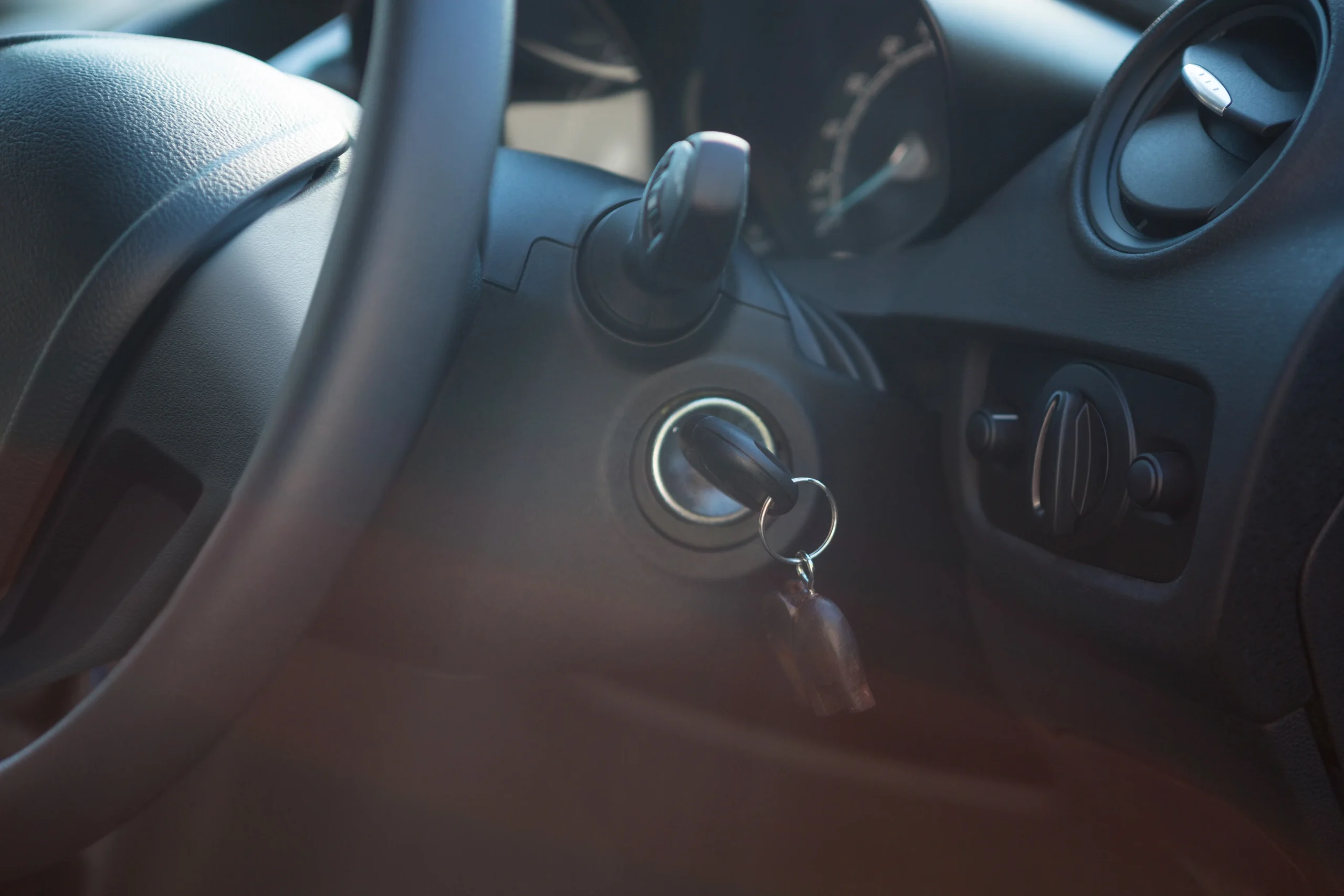
The ignition key often does not break, it is almost always the consequence of slow erosion or internal stress.
The edges of keys get rounded or become thin and uneven as a result of repeated turning. All these weakened points may break under stress, in case the ignition cylinder is already undergoing resistance. An old key is susceptible every time an additional force is exerted.
Should the tumblers start attaching or going out of place within the ignition, the key will have to work harder to turn. This extra force goes directly to the key blade and this increases its likelihood of collapsing or breaking. The drivers tend to observe rigidity on the verge of the key breaking.
The key and the internal ignition parts may become weak due to being affected by moisture, temperature, or corrosion as experienced in coastal regions around Nestor. Rust or debris also increases friction, as the key needs to work more, and chances of breakage are also a high possibility.
Whether it is the initial signs of something bad or some more severe mechanical issues, you may have to watch your ignition to save time and stress.
The ignition may fail in older cars and those that have travelled a lot because of the stress of the mechanical parts over the years. When used over years, the tumblers, springs and wafers wear up, causing sticking keys, poor engagement or partial lock-ups. The vehicles could also have the key designs which are old and may easily bend or crack when under stress.
Older ignition switches have electrical components which as well can weaken with age and result in power being intermittently delivered to the starter or dashboard systems. Cars with high mileage tend to have mechanical and electrical wear at the same time and thus, professional inspection is necessary. Replenishing the ignition of old cars will also greatly increase their stability and avoid sudden failures.

It is advisable to know whether the ignition issue is mechanical or electrical so as to know the appropriate way to repair it. The mechanical breakdowns are normally associated with the physical cylinder, tumblers, or key motion.
A proper diagnosis guarantees the appropriate fix, be it re-making the cylinder or fixing the electrical switch, which is a safe and consistent operation.
Our team manages with jammed cylinders by finding the precise cause of friction, be it misaligned wafers, debris accumulation or damaged inner parts and implementing specific repairing measures that ensure that the problem does not reoccur. Rekeying or rebuilding the cylinder will restore the accuracy to a clean and reliable key turn.
Rusted or extremely worn ignitions as in the case of Nestor in the coastal areas need more sophisticated methods to restore the corrosion damage. Technicians then clean, re-align or replace damaged parts with great care to ensure that the ignition can engage well and safely. Using the professional repairs depending on the state of your vehicle, you get the confidence to start every time.
Contact us today to ask a question, get a free quote, or schedule an appointment.
When your key is not turning easily, is not turning at all, or having indications of internal ignition wear, then you are only minutes away to paying too much money to fix it later.
Call us today and get through Nestor qualified service and quality diagnostics which will resume safe and smooth starting in every drive.